
What Is Local SEO and Why It Matters
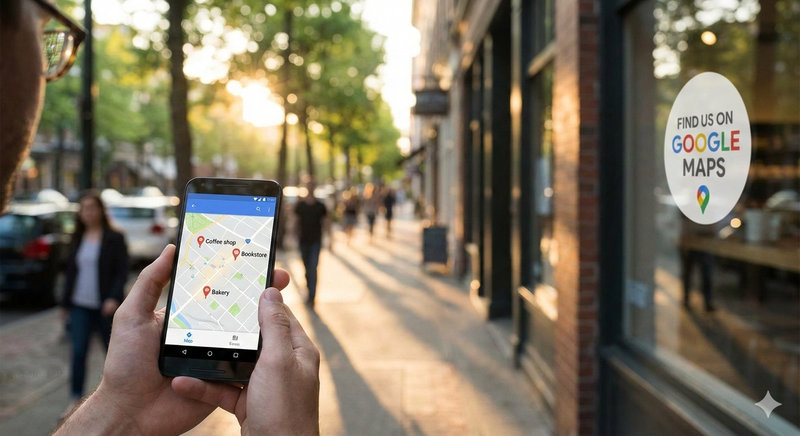
If your business serves customers in a specific city or region, your success online depends on one thing more than anything else: visibility in local search results.
Every day, people search for services using phrases like “near me”, “in [city]”, or “best [service] nearby”. These searches don’t come from people browsing casually, they come from people who are ready to call, visit, or book.
That’s where Local SEO comes in.
In this article, we’ll explain what Local SEO is, how it works, and why it’s one of the most powerful growth tools for small and service-based businesses.
What Is Local SEO?
Local SEO (Local Search Engine Optimization) is the process of optimizing your business’s online presence, so it appears in search results for location-based searches.
Local SEO helps your business show up when people search for:
- Services in a specific city or area
- Businesses “near me”
- Local providers on Google Maps
Unlike traditional SEO, which can target broad or national keywords, Local SEO focuses on geographic intent, people who want something now and nearby.
The goal of Local SEO is simple:
Make sure your business is visible when local customers are actively looking for what you offer.
How Local SEO Is Different From Traditional SEO
While both Local SEO and traditional SEO aim to improve rankings, they operate in different contexts.
Traditional SEO focuses on:
- Content depth
- Broad keyword competition
- Authority across wide topics
Local SEO focuses on:
- Location relevance
- Proximity to the searcher
- Local trust and consistency
For most small businesses, Local SEO delivers faster and more qualified results because it targets people who are already close and already interested.
Why Local SEO Matters So Much
Local SEO doesn’t just bring traffic, it brings action.
People searching locally are often:
- Looking to call immediately
- Comparing nearby businesses
- Ready to visit a physical location
- Prepared to make a purchasing decision
This is why Local SEO has such a direct impact on revenue.
If your business doesn’t appear in local results, potential customers won’t scroll endlessly, they’ll choose one of your competitors instead.
How Local SEO Works
Google uses several local ranking factors to decide which businesses appear in local search results and on Google Maps. While the algorithm is complex, the core principles are straightforward.
Google prioritizes:
- Relevance: how well your business matches the search
- Distance: how close your business is to the user
- Prominence: how trustworthy and established your business appears
Local SEO is the process of improving your business across all three areas.
The Role of Google Business Profile
Your Google Business Profile is the foundation of Local SEO.
It’s the listing that appears:
- In Google Maps
- In the local 3-pack
- On the right side of the desktop search results
A properly optimized profile helps Google understand:
- What your business does
- Where it is located
- When it is open
- Why customers should trust it
Small mistakes here, such as incorrect categories, missing information, or inconsistent details, can significantly reduce visibility.
Local Keywords and Location Relevance
Local SEO relies heavily on location-based keywords.
These keywords usually include:
- City names
- Neighborhoods
- Service areas
- “Near me” intent
For example, a business doesn’t just want to rank for “SEO services,” but for “SEO services in [city]” or “local SEO agency near me.”
Optimizing for these keywords ensures your website and listings align with how real customers search.
Reviews and Trust Signals
Online reviews play a major role in Local SEO.
They influence:
- Google’s trust in your business
- Click-through rates from search results
- Customer confidence before contacting you
Google sees reviews as a signal of legitimacy and activity. Businesses with consistent, authentic reviews tend to perform better in local rankings.
Just as importantly, reviews help convert visibility into real leads.
Local Content and Authority
Local SEO isn’t only about listings it also depends on your website content.
High-quality local content helps:
- Establish relevance for specific locations
- Answer common customer questions
- Build authority in your service area
This can include service pages, city-specific pages, and educational blog content that speaks directly to local customers.
The more clearly your website communicates who you serve and where, the easier it is for Google to rank you locally.
How Long Does Local SEO Take?
Local SEO is not instant, but it’s faster than most forms of digital marketing.
In many cases:
- Early improvements can appear within a few weeks
- Rankings and traffic typically grow within 2–4 months
- Strong, consistent results build over 6–12 months
Unlike paid ads, Local SEO continues working even when you stop actively promoting it.
Why Local SEO Is a Smart Investment for Small Businesses
Local SEO is especially effective for small and service-based businesses because it:
- Targets high-intent customers
- Reduces reliance on paid advertising
- Builds long-term visibility
- Levels the playing field against larger competitors
Instead of chasing attention, Local SEO positions your business exactly where customers are already looking.
Final Thoughts
Local SEO is not about gaming the system or quick hacks. It’s about:
- Being clear about what you offer
- Being consistent about who you are
- Being visible where your customers search
For businesses that depend on local customers, Local SEO isn’t just marketing it’s infrastructure.
If you want predictable growth, steady leads, and long-term visibility in your area, Local SEO is one of the most effective strategies available.
Want to Dominate Local Search Results?
At CreaRank, we help businesses rank higher in local search, attract qualified nearby customers, and turn visibility into real growth.
👉 Book a free Local SEO strategy call and see how Local SEO can work for your business.
